Ajándékbár
A three-tier gift card platform with zero manual administration
- E-commerce
- SaaS
- Conversion Design
- Portal Design
Overview
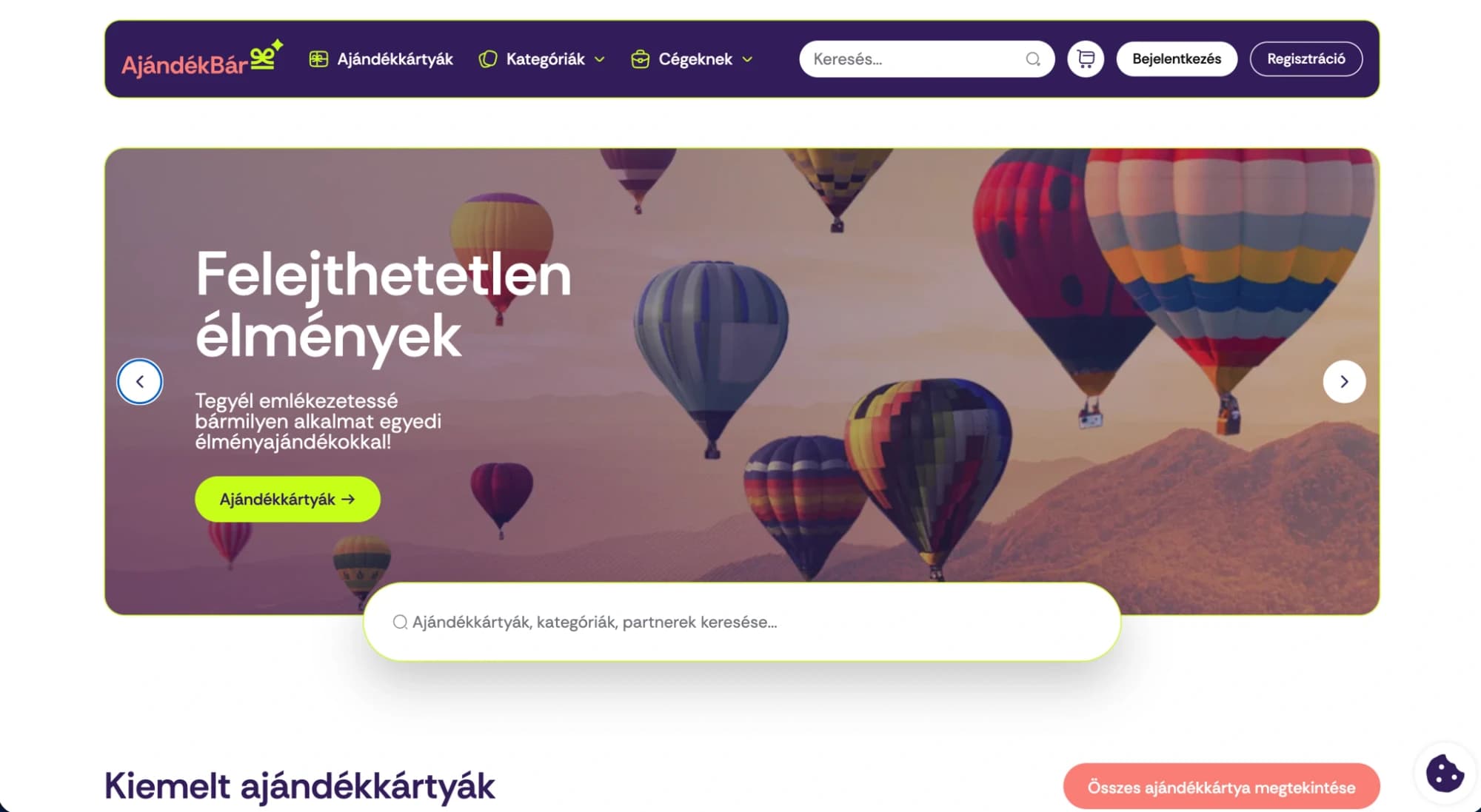
Ajándékbár serves three distinct user groups through one unified system: consumers buying gift cards, partner businesses managing branded programs, and administrators handling billing and oversight. Each tier needed its own interface while the backend stayed unified and automated — eliminating the administrative burden typical of B2B gifting platforms.
The challenge
Multi-role platforms face inherent tension: optimizing for one user type compromises the others. Consumer flows demand frictionless purchasing; partners need control and visibility without complexity; admins need powerful operational tools kept separate from consumer-facing simplicity. The solution required role-based information architecture from day one, not retrofitted permissions.
The solution
Three distinct interface layers share visual consistency but operate as separate experiences. The consumer store leans on gift-giving psychology through discovery and emotional context. The partner portal provides branded card design, redemption tracking, and reporting in a business-grade dashboard. The admin panel automates onboarding, billing, and oversight — with role-based access invisible to users.
Outcome
- Manual administration eliminated through full automation
- Consumer flow optimized around gift-giving psychology
- Partner portal enables independent program management
- Full lifecycle covered: purchase → delivery → redemption → reporting
- Three user tiers given distinct, purpose-built experiences
User Journey Analysis
Actor: Consumer buying a gift card
Has a birthday coming up — wants something personal, not generic
Homepage opens with occasion picker before surfacing brand catalog
Browses gift cards organized by recipient type, not by brand name
Emotional merchandising: 'For Her', 'For Foodies' instead of alphabetical brand list
Writes a message and selects delivery time — sees live card preview
Live preview of the card reduces uncertainty and increases perceived gift quality
Completes purchase in 3 steps as a guest — no account required
Guest checkout preserved throughout redesign — forced registration kills gift-giving flow
Receives confirmation and can monitor delivery status in real time
Post-purchase email sequence covers every status update, reducing support inquiries
UX Artifacts
Role-Based Information Architecture
- Consumer layer
- Public storefront — gift card discovery, purchase, delivery tracking
- Partner layer
- Authenticated portal — branded card design, redemption reports, user management
- Admin layer
- Restricted dashboard — billing, partner onboarding, system oversight
- Shared back end
- Single database — one source of truth across all three layers
- Access control
- Role-based permissions — no layer can reach another's view
Gift-Giving Psychology Framework
- Primary emotion targeted
- Relief — 'I found the perfect gift, not a lazy one'
- Key UX tension
- Practical vs. personal — resolved via customization at checkout
- Recipient framing
- 'For them' language throughout — product-first copy replaced
- Gifting anxiety trigger
- 'What if they don't like it?' — addressed with brand variety + exchange option
- Conversion principle
- Delight the giver first; the recipient is the downstream measure
next frame →
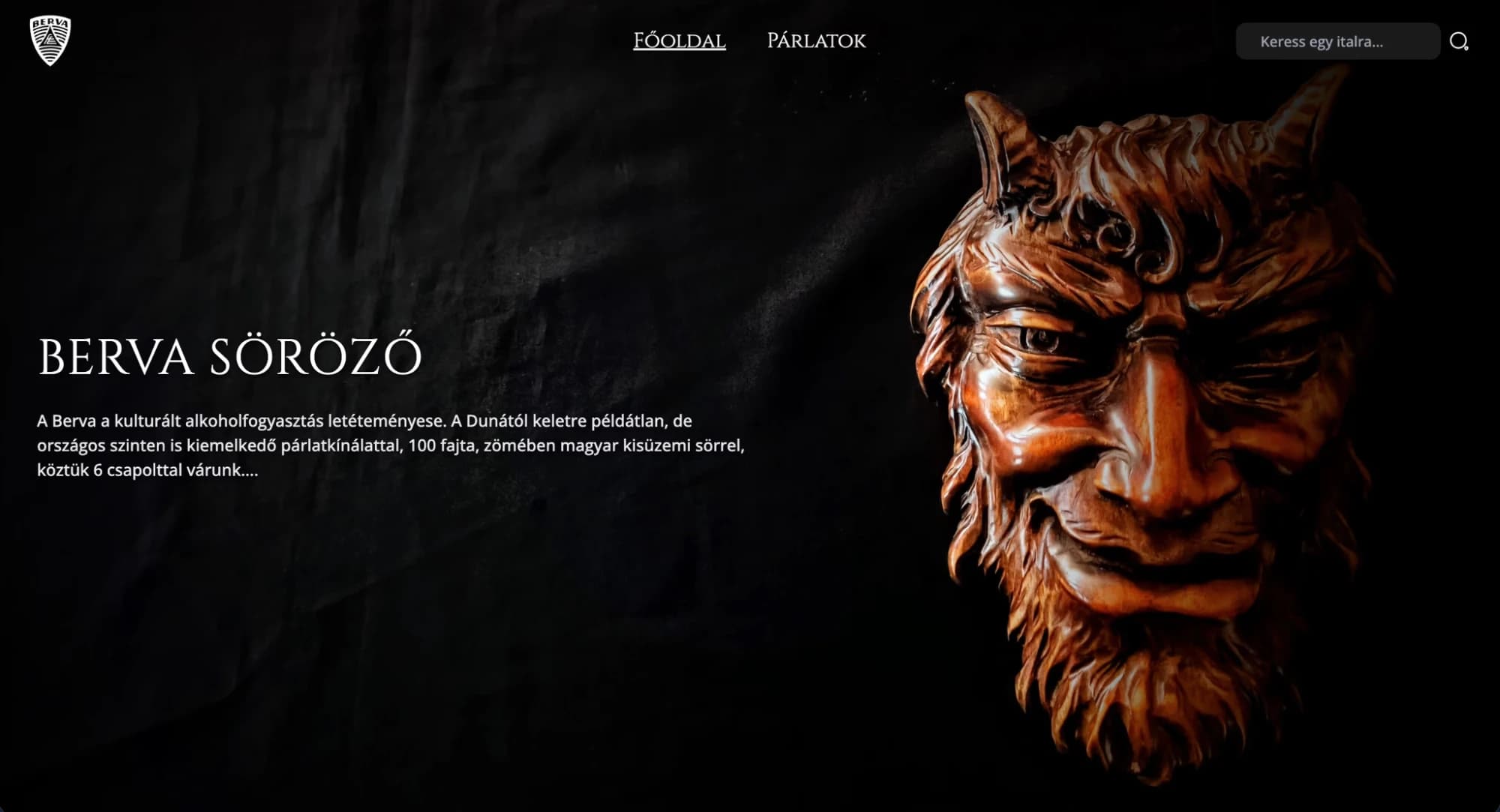
Berva Söröző
A premium spirits bar's digital identity — dark, atmospheric, and searchable